Cart
0
You may also like

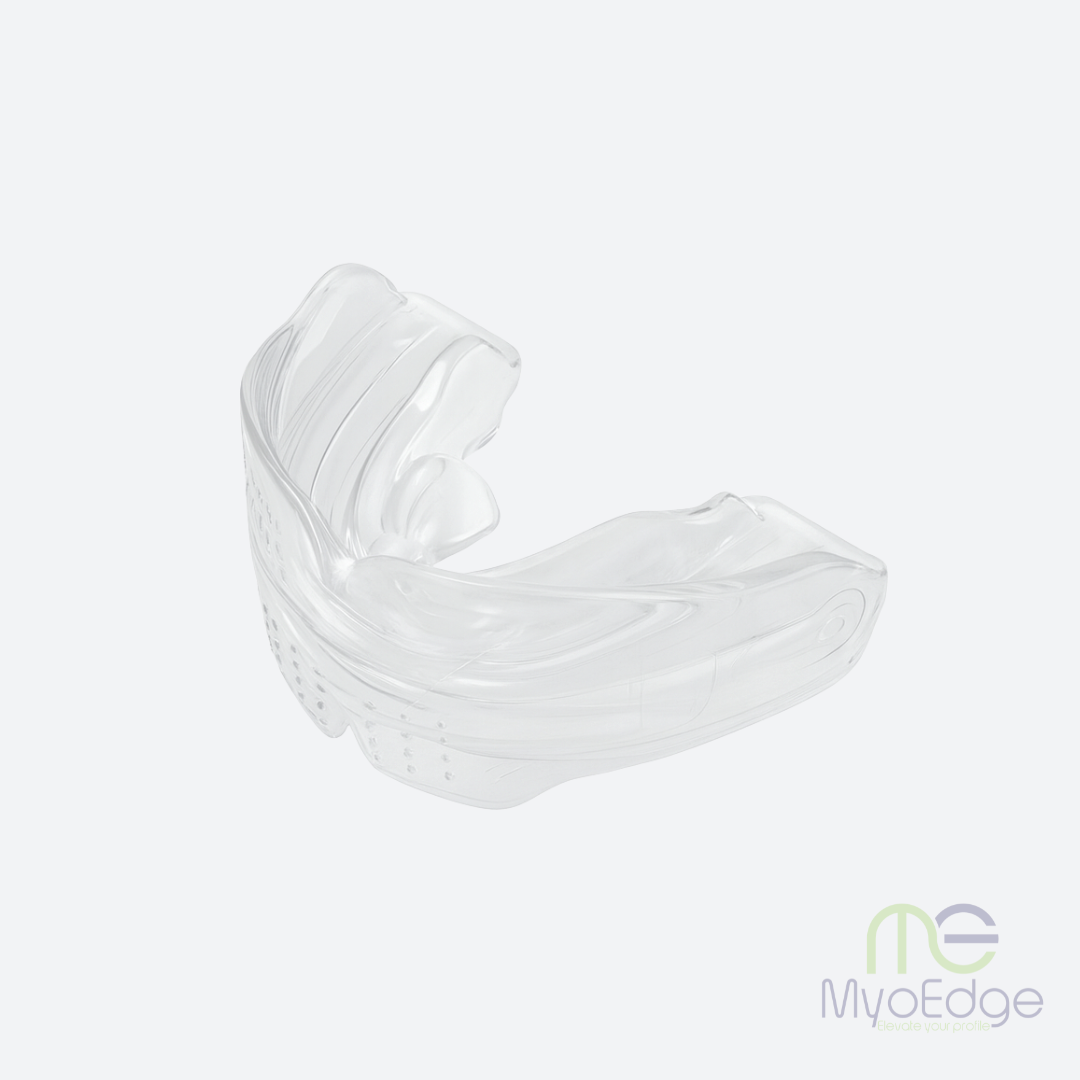




There’s a lot of talk online about getting a sharp jawline using a jawline trainer. Some say it works like magic. Others think it’s just a trend. But what’s actually true? This blog breaks down the most common myths and gives you real facts. If you’re thinking about trying a jawline trainer or already using one, this post will help you understand what you should really expect. So, let’s clear the confusion and examine the facts.
Many people believe that using a jawline tool for just a few days will give them a sharp, model-like jaw. Social media often shows before-and-after pictures that make it seem fast and easy.
Reality: Muscle Toning Takes Time
Regular use can help to tone the muscles under the jaw, but it doesn’t happen overnight. Just as gym workouts take time to show results, training your facial muscles is a gradual process. Most people need several weeks, or even a couple of months, to notice a real difference.
Additionally, factors such as body fat level, diet, water intake, and sleep quality can impact your results.
It’s a common belief that using a jawline trainer will “melt” fat from your face. This idea sounds great, but it is not how the body works. You might feel your muscles working, but that doesn’t mean the fat is going away right there.
Reality: It Just Shapes the Muscles
Jawline tools can help you build and tone the small muscles in your face and neck. That can make your jawline look a bit more defined, especially when combined with overall fat loss. In short, the trainer can help shape the muscles underneath, but it doesn’t directly remove fat.
Many ads and videos say that jawline trainers are completely safe for everyone. This makes it seem like anyone can use them freely, without worry. But just like with any other type of training, using the wrong method or overdoing it can lead to problems.
Reality: Not Everyone Should Use It Without Care
Jaw trainers put pressure on your jaw joints and muscles. If you use it incorrectly or already have issues like TMJ (Temporomandibular Joint) or dental work, you might end up with pain or discomfort.
That’s why it’s important to follow the instructions carefully.
Note: If you’ve had any jaw problems in the past, it’s best to check with your dentist or doctor first.
People often think that if they double the time or use the trainer every day, they’ll get faster results. This thinking comes from how we approach workouts sometimes, but with jaw trainers, more isn’t always better.
Reality: Overuse Can Cause Strain
Jaw muscles are small and not used to heavy training. Like other muscles, they need time to recover. If you use the trainer too often or for too long, you might experience jaw stiffness, clicking, or even headaches.
A better approach is short and regular sessions, with no need to overtrain. Just staying consistent and giving your muscles time to rest leads to better and safer results.
Using a jawline trainer regularly can help tone and strengthen the muscles around your jaw and lower face. Over time, this might make your jawline appear firmer and more defined. But it’s important to keep your expectations realistic.
• Visible changes take time (think in months, not days).
• It’s a support tool, not a complete fix.
You may feel some results sooner, like improved muscle control or tighter skin, especially if you’ve never trained those muscles before.
Also, your overall appearance depends on many other factors like body fat, hydration, sleep, and diet. So, if you're using the tool along with a healthy lifestyle, you’ll see better results.
1. Start Slow: Use the trainer for 2–5 minutes daily in the beginning. This helps your muscles get used to the movement without strain.
2. Stay Consistent: It’s better to train a little every day than to do long, tiring sessions once in a while. Small, regular efforts bring better results.
3. Give Muscles Time to Rest: Your jaw muscles need recovery time just like any other muscle. Use the trainer 3–5 times a week, not every single day.
4. Listen to Your Body: If you feel pain, tightness, or jaw discomfort, take a break. Never push through pain; it's a sign that something isn’t right.
A jawline trainer is not something that gives quick results. But if you use it the right way, it can really help over time. Don’t believe big promises that say you’ll see fast changes. The truth is, you need to put in some time and follow healthy habits to see real results.
Want to get started the right way? Visit Myoedge to explore a safe and easy-to-use jaw trainer that can support you on your journey.
Can I use a jawline trainer if I wear braces or have dental work?
Not always. If you have braces or other dental devices, it's best to ask your dentist first. Some tools may put pressure on your teeth or gums, which could cause issues.
Is it normal to feel soreness after the first use?
Yes, mild soreness is normal when starting out, just like with any new muscle activity. This usually goes away within a day or two. Sharp pain or ongoing discomfort is not normal and means you should stop using the tool.
Do jawline trainers replace facial exercises?
No. Jawline trainers work best as a support tool. Facial exercises, good posture, hydration, and a balanced diet all play a role in facial appearance. Using them together leads to better overall results.