Cart
0
You may also like



people try various methods, such as special pillows, sprays, or different sleep positions, but one simple solution is gaining attention: mute mouth tape.
This soft, easy-to-use tape helps you breathe through your nose naturally, so you snore less and don’t wake up with a dry, sticky mouth. In this blog, we’ll explain how it works, why it might help, and why it’s becoming a trusted option for better sleep.
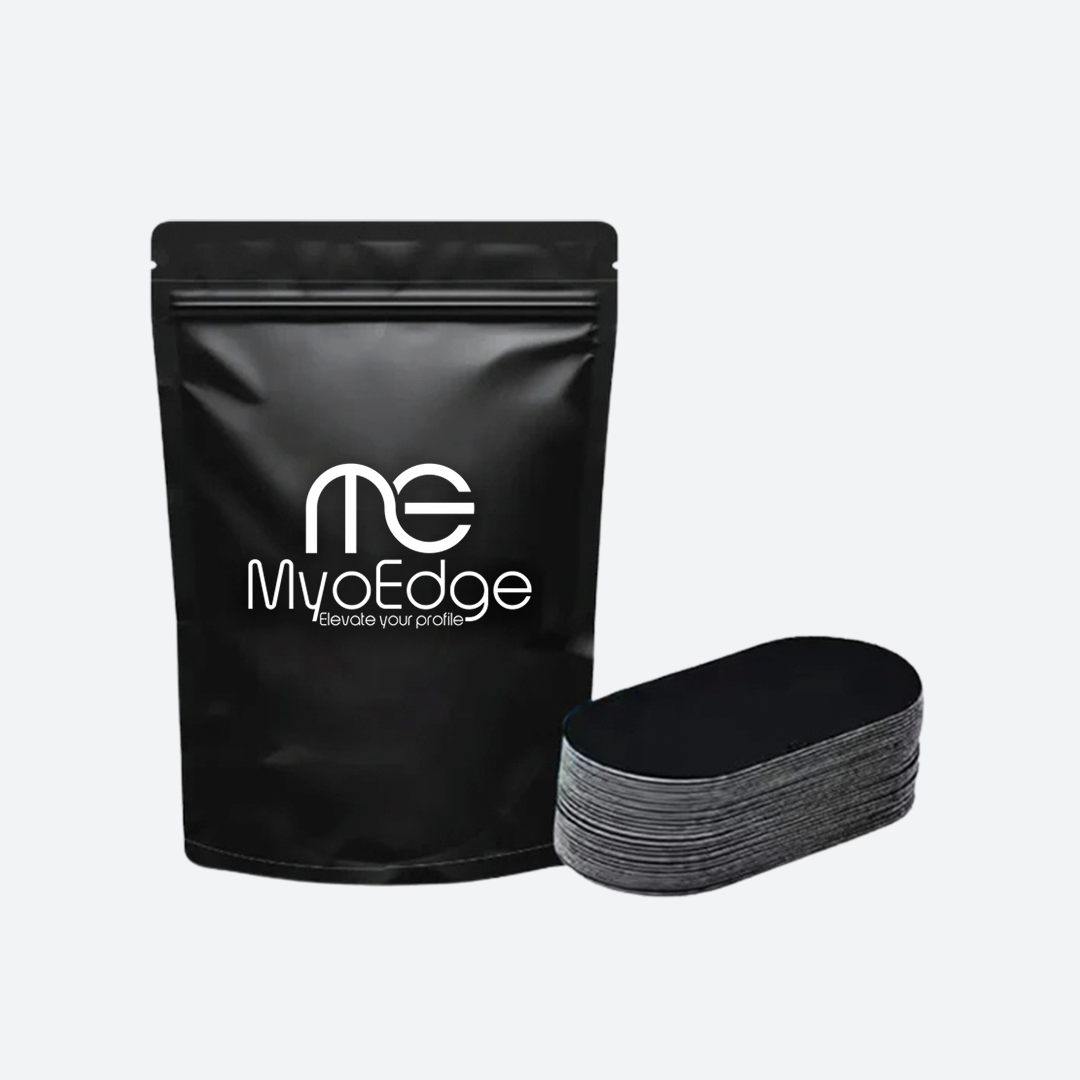
It is a small strip placed gently over the lips before sleep. It helps to keep the mouth closed so the body naturally breathes through the nose instead. The best part? It does not block breathing and does not force anything. It simply guides your body back to a more natural breathing pattern during sleep.
Many people use it to support better sleep comfort. It is soft, skin-friendly, and designed to come off easily. The goal is not control, but gentle support. For people who unknowingly sleep with their mouth open, this simple step can make a noticeable difference over time.
When air enters through the mouth, it dries out the tongue, throat, and lips. This dryness leads to:
• Sore throats
• Bad breath
• Constant thirst at night
• Vibration in the throat (which often causes snoring)
Nose breathing works differently. The nose filters air, controls airflow, and helps keep moisture balanced. When this natural process gets skipped at night, sleep becomes lighter and less refreshing.
Over time, poor breathing habits can affect energy levels, focus, and overall comfort. That’s why fixing how you breathe while sleeping can help fix many of these quiet problems.
When you use this mouth tape, your lips stay gently closed. This helps the air to flow through the nose instead of the mouth. This encourages the body to return to its natural breathing pattern during sleep, that is, nose breathing.
Many people notice fewer dry mornings once nose breathing becomes consistent. With time, their body starts to prefer this pattern even without thinking about it. This small shift helps them to improve sleep comfort without adding complicated steps.
It often happens when air passes through an open mouth and relaxed throat tissues. This airflow creates vibration, which turns into sound. However, keeping your mouth closed will help to reduce those vibrations. Mute mouth tape helps improve airflow and reduces the chances of snoring by keeping your mouth closed while you sleep.
It might not stop all types of snoring, but it often helps with mild to moderate snoring caused by breathing habits. You'll likely notice quieter nights after using it.
Dry mouth happens when air constantly moves in and out through the lips during sleep. This dries saliva and irritates soft tissues. Mouth taping helps keep moisture inside the mouth, which can reduce dryness and discomfort.
You’ll notice…
• Your lips feel smoother.
• Your throat feels less sore.
• Your mouth is more comfortable in the morning.
The best part? Moisture balance also helps reduce bad breath caused by dryness overnight.
When you breathe properly through your nose, your sleep quality improves, too. Mouth breathing can lead to shallow sleep and frequent waking. Nasal breathing helps your body stay more relaxed all night.
If you use mute mouth tape often, you’ll wake up feeling more rested and less groggy. Better airflow keeps your body calm and steady during sleep, helping you get longer and deeper rest without interruptions.
One of the biggest benefits is habit change. At first, the tape acts as a reminder, but with time, your body will learn to keep the mouth closed naturally during sleep. You may no longer need the tape after a while.
This makes mouth taping a helpful training tool rather than a permanent solution. Small habits, when practiced nightly, can lead to lasting improvements in sleep comfort.
Using mouth tape is easy, but doing it the right way matters.
• Always start with clean and dry lips.
• Then, gently place the tape (not tight, okay?).
• Try it during short naps first.
• Make sure your nose is clear before sleep.
Sleep problems like snoring and dry mouth often come from habits we don’t even notice. Mouth breathing during sleep quietly affects comfort, energy, and rest. Mute mouth tape is an easy way to experience better breathing without adding stress or complicated routines. Guiding airflow through the nose helps reduce dryness, limit snoring, and support deeper sleep. Small changes often bring meaningful results when used consistently.
If better sleep and calmer mornings matter to you, exploring simple tools that support natural breathing can be a thoughtful next step. You can learn more about supportive sleep solutions at Myoedge!
Can mouth tape affect speech during sleep?
No. The tape is used only while sleeping and does not interfere with speaking when awake. It comes off easily in the morning without discomfort.
Is mouth tape suitable for light sleepers?
Yes. Many light sleepers use it successfully. The tape is soft and lightweight, so it usually doesn’t cause awareness or discomfort during sleep.
Can mouth tape help with morning bad breath?
Yes. By reducing mouth dryness overnight, it may help lower bad breath caused by dry saliva and bacterial buildup.
Does mouth tape work for people with allergies?
It can, as long as the nose is clear before sleep. Managing nasal congestion first is important for comfort and safety.
Can mute mouth tape be used while traveling?
Yes. Many people find it helpful during travel, especially in dry hotel rooms or airplanes where mouth dryness becomes worse.