Cart
0
You may also like





Most people never think about where their tongue rests during the day. It just sits there, unnoticed, until discomfort or bad habits start to show up. Fixing tongue posture may sound easy, but it actually needs the right techniques and steady practice to see real change.
In this blog, you’ll learn about some of the best and easiest ways to get proper tongue posture. These are simple methods anyone can follow at home without needing expensive treatments or complicated tools.
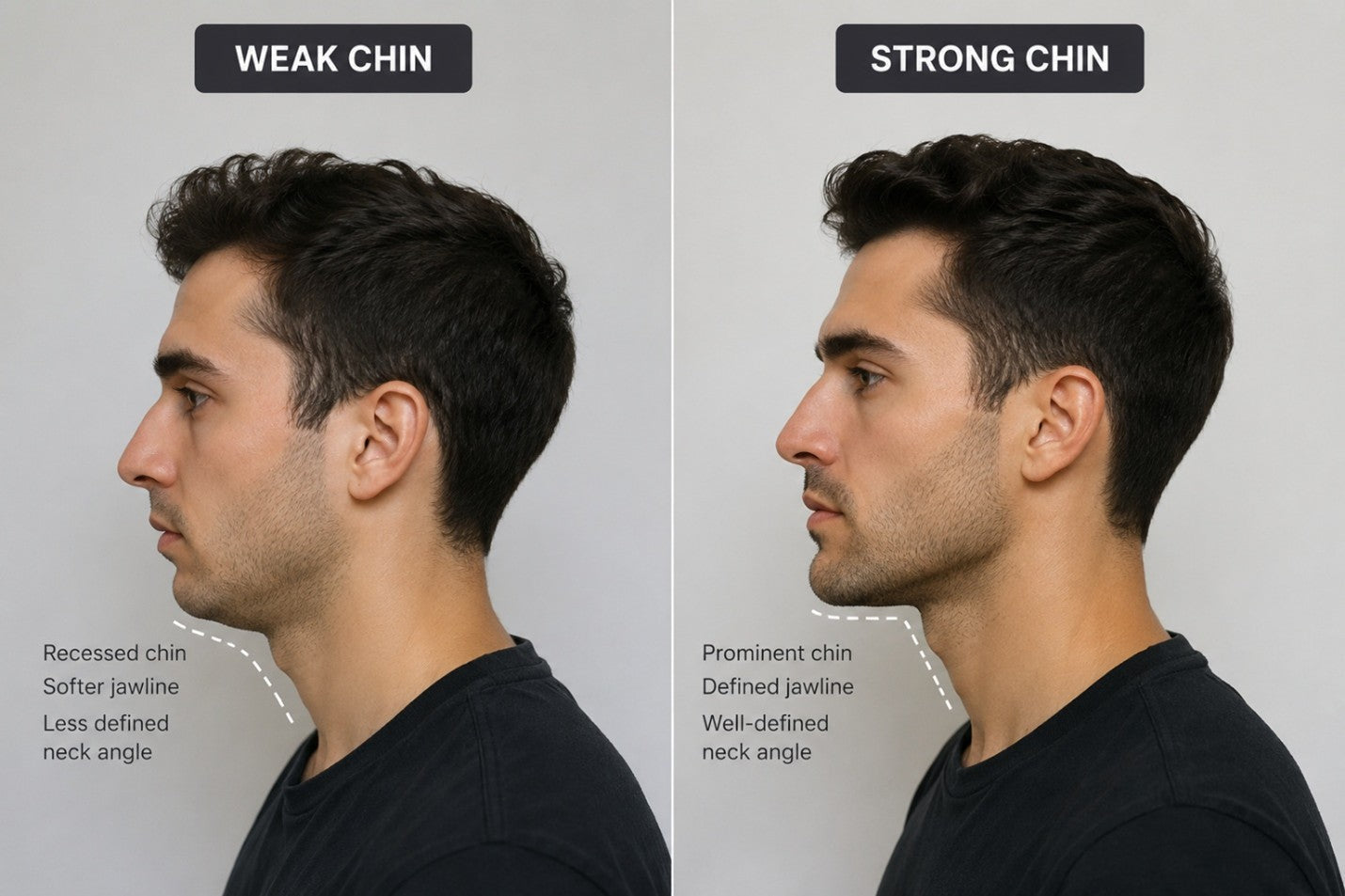
Having your tongue in the right place isn’t just about looks or comfort. The position of your tongue affects how you breathe, your jaw alignment, sleep quality, and even how your face develops over time.
Poor posture can lead to:
• Mouth breathing
• Jaw pain
• Improper teeth alignment
That’s why learning how to fix it now can bring lasting benefits, especially when started early.
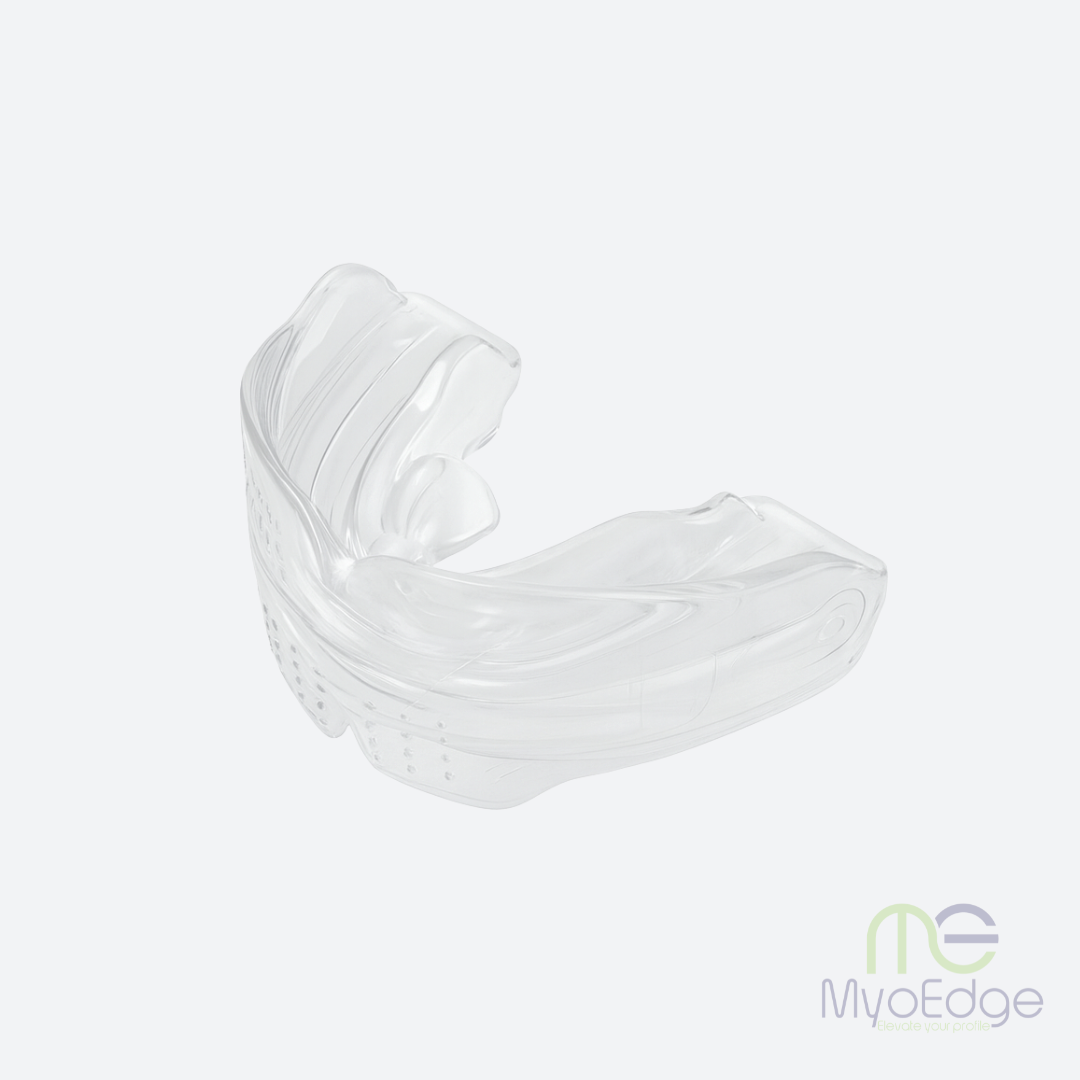
One of the most effective tools available today is the tongue positioner. This device is specially made to help you train your tongue to stay in its natural, correct place at rest. Unlike other methods that just tell you to “push your tongue up,” this positioner offers a hands-on, physical guide. It gently holds your tongue where it should be (against the roof of your mouth) without causing discomfort.
This helps build muscle memory over time, so your tongue naturally stays in the right position even when you’re not thinking about it. It’s soft, flexible, and easy to use, whether you’re working, relaxing, or sleeping.
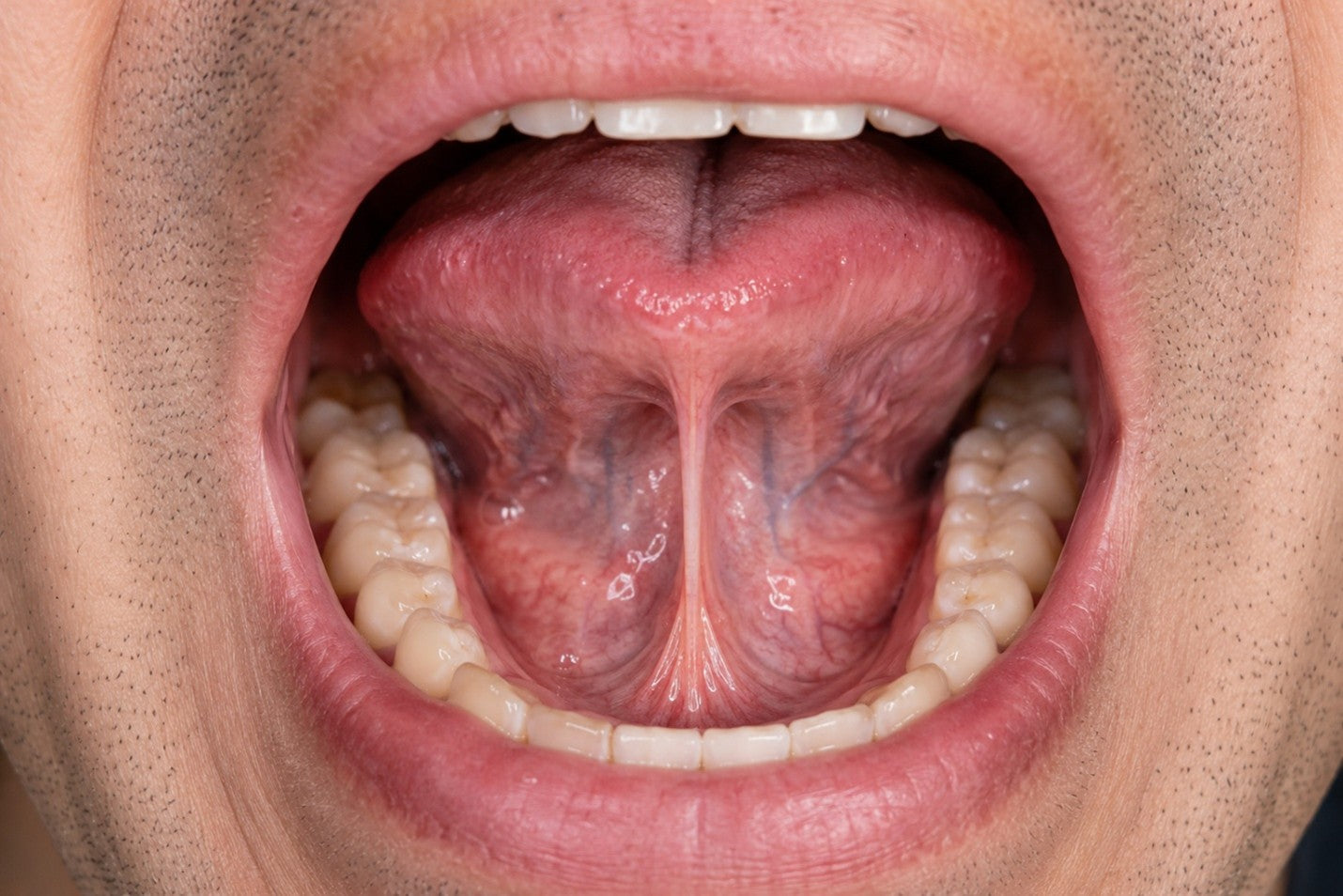
A simple and free method to ensure proper tongue posture is to become aware of it during the day. Most of us are used to letting the tongue rest at the bottom of the mouth. Instead, it should sit on the roof of your mouth (not touching your front teeth) with the tip just behind the upper front teeth. To build this habit, you can:
• Set small reminders on your phone to check your tongue's position.
• Tie it to regular actions, like checking your tongue posture every time you check your phone or look in a mirror.
Doing this several times a day trains your mind and body to fix the habit. It takes time, but with daily effort, this small action adds up. It’s especially helpful for kids and teens, but adults can do it too.
Breathing through your nose instead of your mouth can make a big difference in achieving proper tongue posture. Why? Because when you breathe through your nose, your tongue naturally rises to the roof of your mouth. This helps support the correct resting position and even improves jaw and facial structure over time.
Start by closing your mouth and focusing on slow, gentle nasal breathing throughout the day. At night, mouth tape can help keep your lips sealed, encouraging nose breathing while you sleep.
Note: Always consult a doctor first if you have sleep or breathing issues.
Practicing nasal breathing not only helps your tongue but also improves oxygen flow, reduces snoring, and keeps your mouth from drying out.
Daily exercises can train the muscles of your tongue to stay in the correct position. These workouts are easy, quick, and can be done anywhere. Here are two basic ones:
i. The Suction Hold: Press the entire surface of your tongue flat against the roof of your mouth and hold it for 10 seconds. Release and repeat this 5–10 times. This builds strength in the right muscles.
ii. Tongue Slide: Start with the tip of your tongue just behind your upper front teeth, then slide it back along the roof of your mouth as far as you can. Repeat this 5 times.
These small movements help create muscle memory and make it easier for your tongue to stay up naturally. Practice them once or twice daily to see real improvement in a few weeks.
Good body posture supports your proper tongue posture, too. If you slouch or let your head stick forward (especially while looking at screens), your tongue may drop and rest in the wrong place. Keeping your spine straight, head level, and shoulders relaxed gives your mouth and tongue the right alignment.
Try this: Sit or stand up tall, look straight ahead, and gently close your lips. Now place your tongue on the roof of your mouth. It should feel easier and more natural. This shows how much your body’s position affects your oral posture.
Paying attention to your posture during the day, especially while sitting or using your phone, helps your tongue stay in the correct spot without extra effort.
Proper tongue posture isn’t just about how your mouth feels; it also impacts your whole face, breathing, and even sleep. With the right techniques, like using the tongue positioner, practicing nasal breathing, doing simple exercises, and keeping your posture straight, you can train your tongue to rest in its best position naturally.
Start small, be consistent, and over time, the results will speak for themselves.
Want to make your progress easier and more comfortable? Try the tongue positioner from MyoEdge today and feel the difference for yourself!
How do I know if I have poor tongue posture?
Common signs include mouth breathing, jaw pain, teeth crowding, or a tired tongue. If your tongue often rests at the bottom of your mouth or presses against your teeth, that’s a sign to fix it.
Can children use the tongue positioner?
Yes, it’s designed for safe use by both adults and kids (with supervision). It’s soft and flexible, making it easy for young users to adapt without discomfort.
Can I achieve proper tongue posture without any tools?
Yes, but tools like the tongue positioner make the process faster and easier. You can combine it with natural techniques like breathing and posture training for the best results.