Cart
0
You may also like





Most people rarely think about their tongue unless they are eating or speaking. Yet the tongue rests inside the mouth every moment of the day, quietly influencing breathing, jaw position, facial development, and even long-term oral health.
Surprisingly, many people carry their tongue in the wrong position without realizing it. Some press it against their teeth. Others let it sit at the bottom of the mouth. Over time, these habits can contribute to issues such as mouth breathing, jaw discomfort, dental crowding, and poor oral posture.
So, a simple question naturally comes up.
Where should the tongue actually rest? And what does correct tongue posture feel like?
Understanding proper tongue posture is the first step toward improving breathing patterns, supporting facial structure, and developing healthier oral habits. This guide explains what correct tongue posture means, how it should feel, why it matters, and how to begin correcting poor habits.
Tongue posture refers to the natural resting position of the tongue when the mouth is relaxed. This is the position your tongue should stay in when you are not speaking, chewing, or swallowing.
The tongue is a strong muscle. When positioned correctly, it acts almost like a natural support structure for the upper jaw and palate. When positioned incorrectly, however, it can push against teeth or drop downward, creating an imbalance inside the oral cavity.
This is why dentists, orthodontists, and myofunctional therapists often pay close attention to tongue posture when evaluating oral health.
You might wonder why something as simple as tongue placement receives so much attention in dental and airway health discussions. The reason is simple: the tongue influences multiple systems in the body at once.
Correct tongue posture helps support:
When the tongue rests against the roof of the mouth, it encourages nasal breathing. Nasal breathing filters air, humidifies it, and supports proper oxygen exchange.
When the tongue sits low in the mouth, people are more likely to breathe through their mouth instead.
The tongue helps stabilize the upper jaw. Poor tongue posture can create uneven pressure on teeth and jaw structures over time, which might mean you need a jaw trainer.
During childhood and adolescence, tongue posture plays a role in how the upper palate and facial bones develop.
A correct tongue position supports proper swallowing patterns. Poor tongue posture can contribute to what professionals call tongue thrust, where the tongue pushes forward against the teeth.
Consistent mouth breathing caused by poor tongue posture can lead to dry mouth, which increases the risk of cavities and gum irritation.
For something that seems small, the tongue plays a surprisingly big role in daily health..
Understanding the theory is helpful. But most people want to know something more practical. How should the correct tongue posture actually feel?
Here are the main sensations people typically experience when the tongue is positioned correctly.
The most important element of correct tongue posture is that the tongue sits gently against the roof of the mouth, also known as the palate. Not just the tip. Ideally, most of the tongue should make light contact with the palate.
It should feel natural rather than forced. There should be no pressing or pushing. A good way to imagine this is to think of the tongue resting upward rather than hanging downward.
The tip of the tongue should sit slightly behind the front teeth, usually touching the ridge of tissue just behind them.
This ridge is called the alveolar ridge.
Important note: The tongue should not press against the teeth themselves.
If the tongue pushes against the teeth, it can create pressure that may gradually shift tooth alignment.
Proper tongue posture should never feel tense or strained. The tongue should feel relaxed and supported by the roof of the mouth, similar to how your arm rests naturally when placed on a table.
If the tongue feels forced upward or uncomfortable, it likely means the position is not yet natural.
Good tongue posture typically means your lips are relaxed and closed without any strain. You shouldn't feel like you're forcing them shut. If it feels hard to keep your lips closed, it might be due to habits of breathing through your mouth.
One of the key indicators of proper tongue posture is breathing through the nose. When the tongue rests correctly against the palate, it creates space in the airway and naturally promotes breathing through the nose. As a result, you may find that you don't even need snoring tape.
Many people notice that correct tongue posture makes nasal breathing feel easier and more stable.
Many people discover poor tongue posture only after learning what correct posture should feel like.
Some common signs include:
These habits can develop over the years and often go unnoticed. Fortunately, awareness is the first step toward improvement.
If you want to check your tongue posture right now, try this simple test. Here are three things you need to do:
Ask yourself a few questions:
If the tongue sits low in the mouth, that may indicate a habit of improper tongue posture.
The good news is that this can often be improved with practices such as the “N” sound method and awareness.
Proper tongue posture may seem like a small detail, but it plays an important role in how the mouth, jaw, and breathing system work together. When the tongue rests gently on the roof of the mouth, the jaw relaxes, breathing becomes more natural, and the mouth maintains a healthier balance.
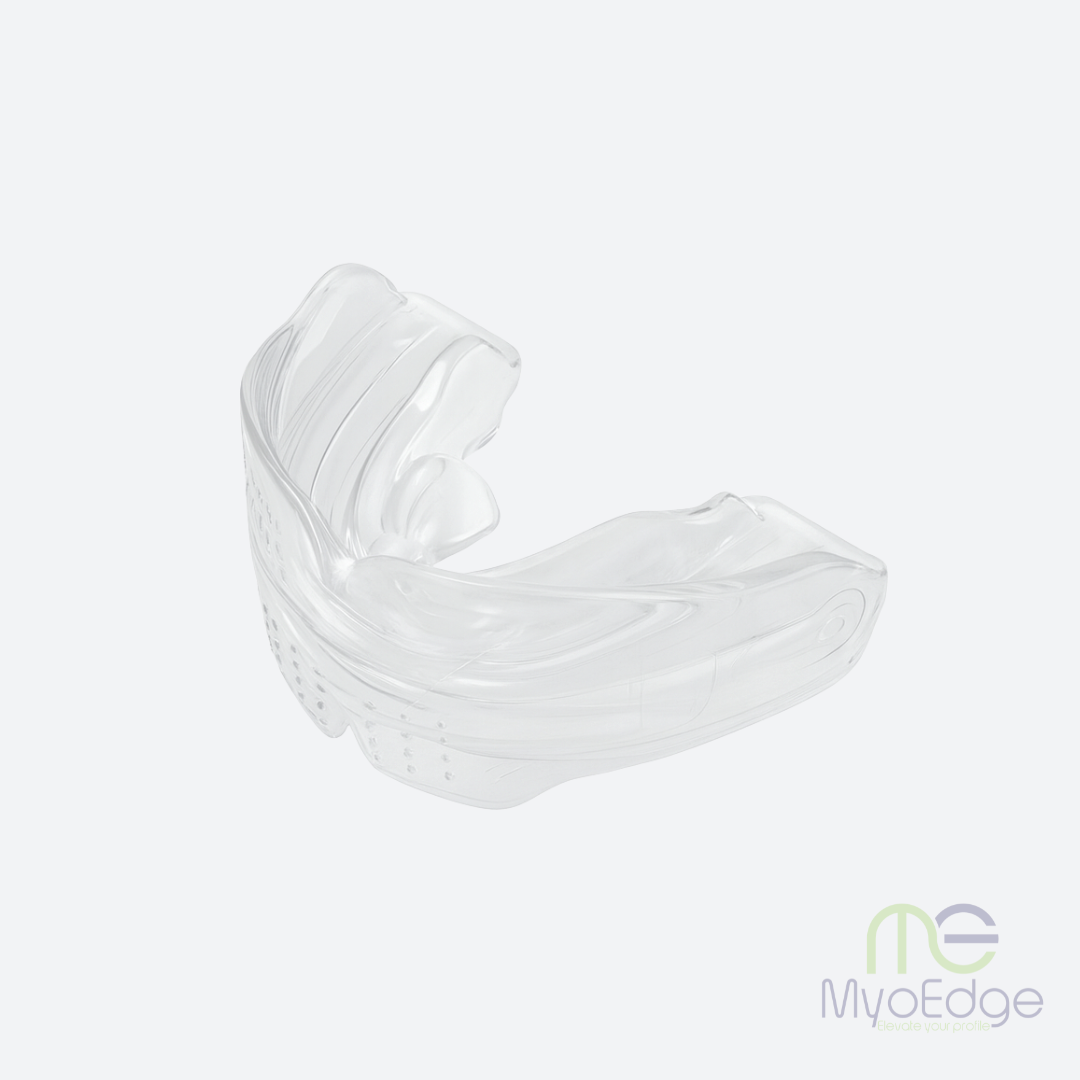
Becoming aware of where your tongue rests throughout the day is the first step toward improving this habit. If maintaining the correct position feels difficult at first, supportive tools like the MyoEdge Tongue Positioner™ can help guide the tongue into a more natural resting position and support healthier oral posture over time.
Sometimes small adjustments lead to meaningful improvements in comfort, breathing, and long-term oral health.
How long does it take to learn proper tongue posture?
For many people, awareness is the biggest step. Once you know where the tongue should rest, improvement often begins within a few weeks of conscious practice. However, fully retraining muscle habits may take several months, depending on how long the incorrect posture has existed.
Can poor body posture affect tongue posture?
Yes. Forward head posture and slouching can influence how the jaw and tongue rest inside the mouth. When the head moves forward, the tongue may drop downward as well. Some individuals use a posture corrector to help maintain better spinal alignment, which can indirectly support healthier tongue positioning.