Cart
0
You may also like


Modern lifestyles, including long hours at desks, daily commutes, and constant device use, have made poor posture a common issue across all age groups. Slouched shoulders, forward head posture, and rounded backs have become everyday habits that can lead to muscle imbalance, fatigue, discomfort, and even reduced breathing efficiency.
A posture corrector can help retrain the body and promote healthier alignment, but choosing the right one requires more than selecting the first option you find online. Your body type, daily routine, comfort preferences, and long-term posture goals all influence which design will truly support you.
This guide covers the key factors to help you select a posture corrector that fits your body, lifestyle, and long-term wellness needs.
The first step in choosing a posture corrector is understanding your specific posture concerns.
Mild slouching from desk work or frequent phone use may only require a lightweight brace that gently reminds you to sit and stand upright. These reminder-style correctors work by guiding your shoulders back when you begin to slouch.
Moderate discomfort, rounded shoulders, or muscle fatigue often benefit from more structured support that stabilizes the upper back while still allowing natural movement.
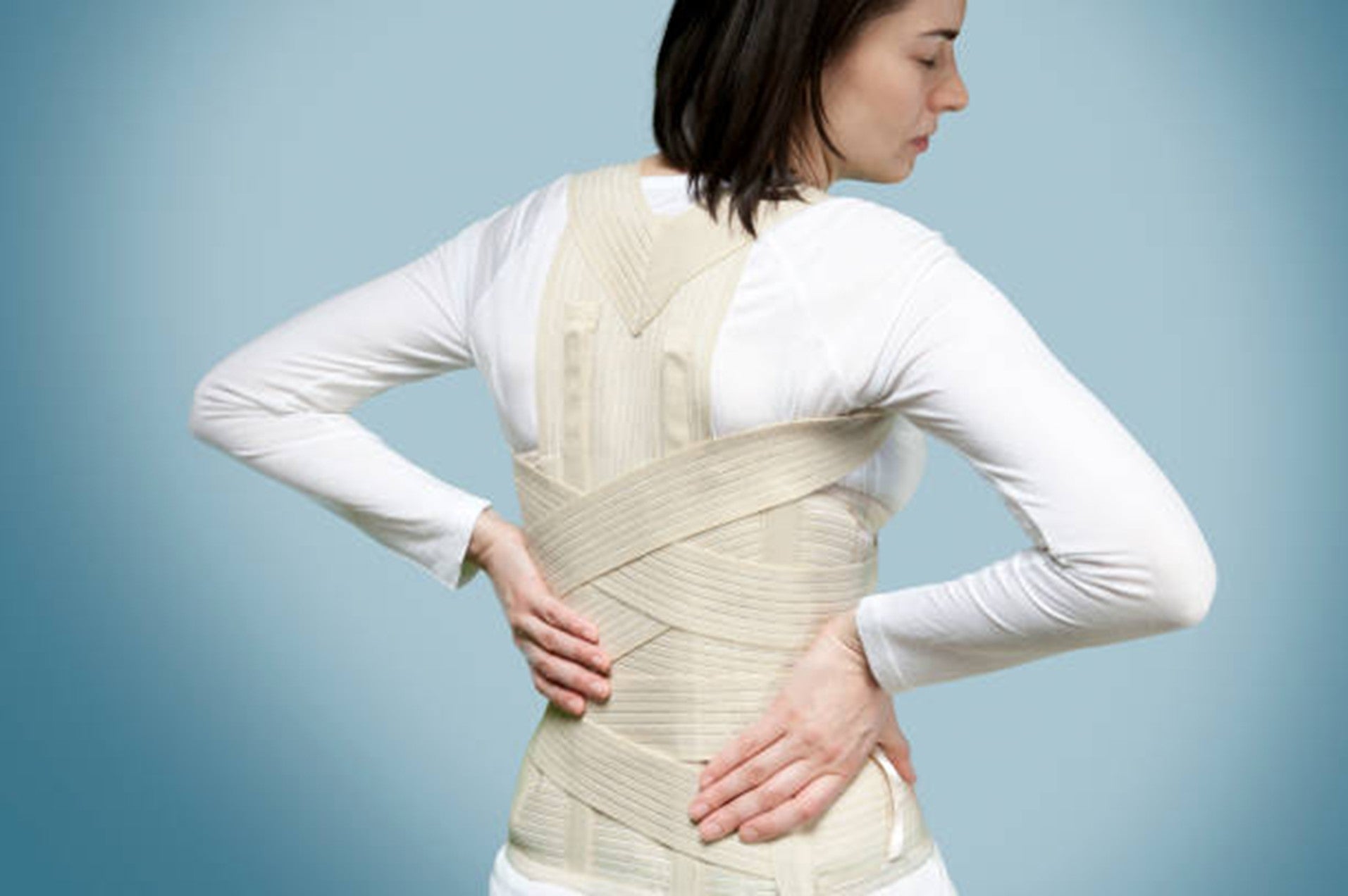
For individuals experiencing ongoing posture strain or recovering from minor injuries, a more supportive brace that stabilizes the back and shoulders may be beneficial. Products such as structured posture braces with adjustable straps can provide this added support while still encouraging muscle engagement.
Knowing your goal helps you choose a corrector that improves posture rather than simply masking the problem.
Posture correctors come in several designs, and the right choice depends largely on how you spend your day.
Minimalist shoulder strap correctors are lightweight and work well for office workers, students, or anyone who needs subtle reminders while sitting for long periods.
Full back posture correctors provide more structure and support for the shoulders and upper back. These designs are often better for people who experience noticeable slouching or fatigue from extended sitting.
Posture support shirts or compression garments combine light support with flexibility, making them suitable for individuals who remain active during the day.
Many modern posture braces, including adjustable back brace posture correctors, balance structured support with comfort. These designs help maintain proper alignment without limiting everyday movement. Choosing a design that fits your routine increases the likelihood that you will wear it consistently.
Size and fit are critical when choosing a posture corrector. A well-fitted brace should feel snug but not tight. It should gently guide your shoulders back without causing pressure, discomfort, or restricted breathing.
Adjustable straps help customize the fit and allow the brace to adapt as your posture improves. Factors such as chest size, shoulder width, and torso length can influence sizing. Measuring yourself carefully and checking the manufacturer’s sizing guidelines is important before purchasing.
For example, many adjustable braces are designed to fit a wide range of waist sizes, often between 26 and 47 inches, allowing both men and women to achieve a comfortable fit.
A properly fitted back support brace should feel supportive and natural enough to wear during everyday activities.
Comfort is essential because posture correction is a gradual process that requires consistent use.
If a posture corrector feels uncomfortable, you are less likely to wear it regularly. Look for designs with padded straps that reduce pressure on the shoulders. Breathable materials are also important, especially if you plan to wear the corrector for extended periods throughout the day.
Soft fabrics and flexible construction allow natural movement while still supporting alignment.
Comfort also supports proper muscle engagement. When a posture corrector feels natural, your body works with it instead of resisting it, making posture improvement more effective.
Material quality directly affects usability, hygiene, and durability. Breathable materials help prevent sweating and skin irritation. Cotton blends, mesh fabrics, and moisture-wicking materials are commonly used in modern posture braces to improve airflow.
This is especially important if you live in warmer climates or plan to wear the corrector under clothing. Skin-friendly materials also reduce the risk of chafing and irritation during extended wear.
Durable materials such as reinforced fabrics or structured inserts help maintain the brace’s shape and support over time, ensuring consistent posture alignment.
Your routine plays a major role in determining which posture corrector will work best for you. Someone who sits at a desk for eight hours a day has very different needs compared to someone who moves frequently throughout the day..
Desk workers usually benefit from lightweight braces that provide gentle posture reminders without restricting arm movement while typing or using a mouse. Active individuals should look for flexible posture correctors that allow mobility while still maintaining shoulder alignment.
If your daily routine involves long periods of standing or walking, a supportive back brace design can help reduce muscle fatigue and maintain better posture throughout the day.
The best back support brace integrates naturally into your routine without interfering with productivity or comfort.
Posture improvement does not happen overnight. As your muscles strengthen and your body becomes more aware of proper alignment, your support needs may change. Adjustable posture correctors allow you to gradually modify tension and support levels over time.
This flexibility ensures the device remains helpful throughout your posture improvement journey. Adjustability also allows you to fine-tune the fit based on daily activities or comfort preferences. Because posture improves gradually, adjustable braces tend to offer better long-term value.
A back support brace should be simple to put on and remove. Complicated designs reduce consistency and make daily use inconvenient. Simple designs with intuitive straps and easy adjustments make it easier to integrate posture correction into your routine.
Maintenance also matters. Washable or easy-to-clean materials help maintain hygiene and extend the lifespan of the brace. Practical design ensures the corrector becomes a helpful habit rather than an inconvenience.
Quality posture correctors are designed for repeated use. Durable stitching, strong elastic straps, and reinforced support structures help the brace maintain its shape and effectiveness over time.
Investing in a well-constructed brace means you will not need to replace it frequently. Durability ensures consistent support while your posture improves gradually.
If you start looking into posture correctors, you will probably notice something quickly. There are hundreds of options online, and it can be tempting to just pick the first one that looks good and click buy. But posture support is not something you want to rush.
The right posture corrector should fit your body, feel comfortable during your daily routine, and gently guide your posture without forcing it. Taking a few minutes to choose the right design can make the difference between something you wear once and something that actually helps improve your posture over time.
That is exactly what the MyoEdge CoreCorrect™ Posture Corrector Brace is designed for. Visit our website and place your order now.
How long should I wear a posture corrector each day?
Start with about 15 to 30 minutes per day and gradually increase usage as your body adapts. Many posture specialists suggest wearing it for 1 to 3 hours daily rather than keeping it on all day.
How long does it take to see posture improvements?
Many people begin noticing improvements in posture awareness within three to six weeks of consistent use combined with strengthening exercises.
Should I practice nasal breathing while wearing a posture corrector?
Yes. Nasal breathing encourages a more natural head and neck position. Practicing it while wearing a posture corrector can help improve both breathing habits and overall posture awareness.
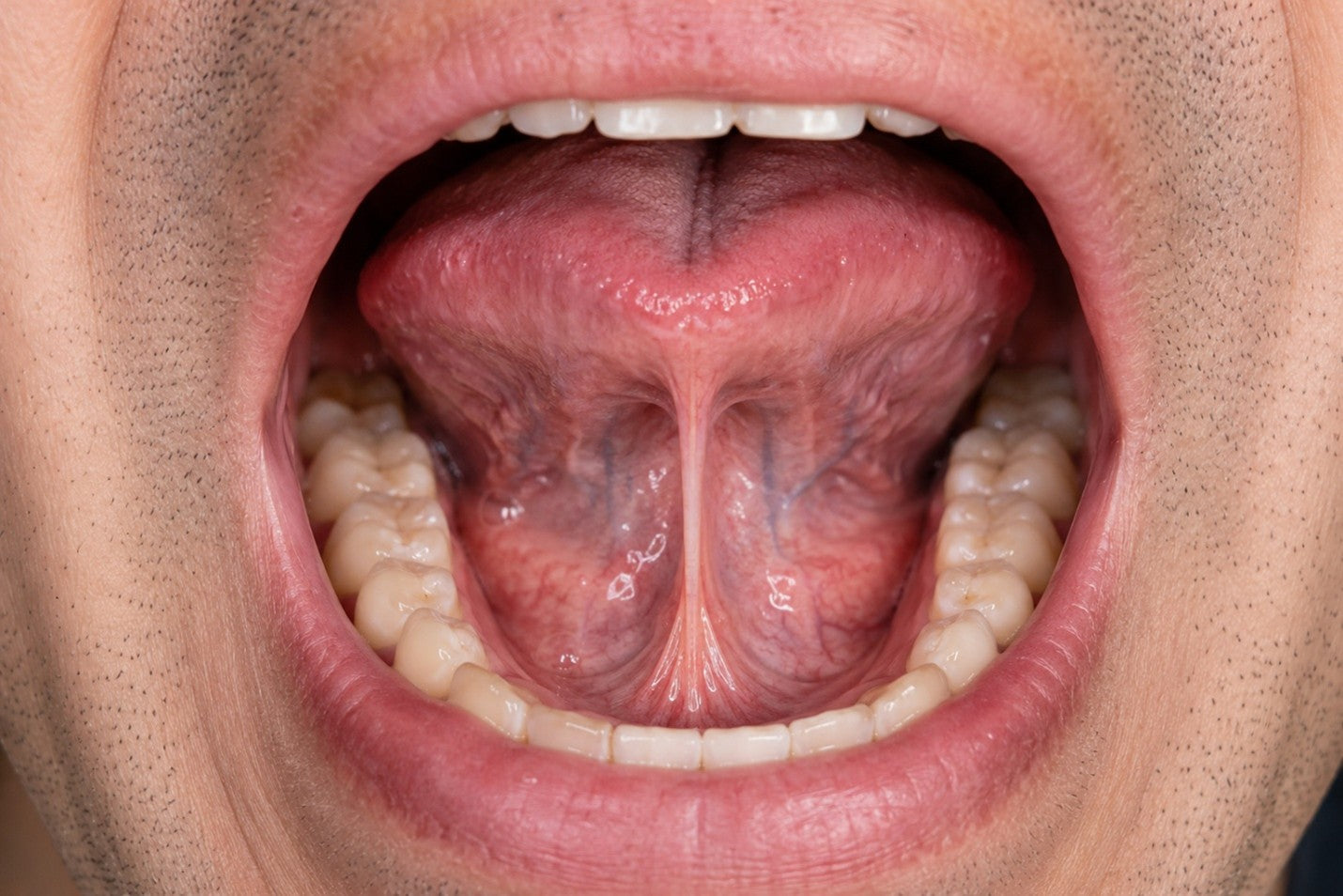
Does tongue posture work the same way as a back brace posture corrector?
Not exactly. Tongue posture helps support natural head and neck alignment, while a posture corrector physically guides your shoulders and spine into a better position. Both can support better posture habits, but they work in different ways.
Why do some people use sleep mouth tape when working on posture?
Some people use sleep mouth tape to encourage nasal breathing at night. Better breathing habits can help support natural head and neck alignment, which is part of maintaining good posture.