Cart
0
You may also like




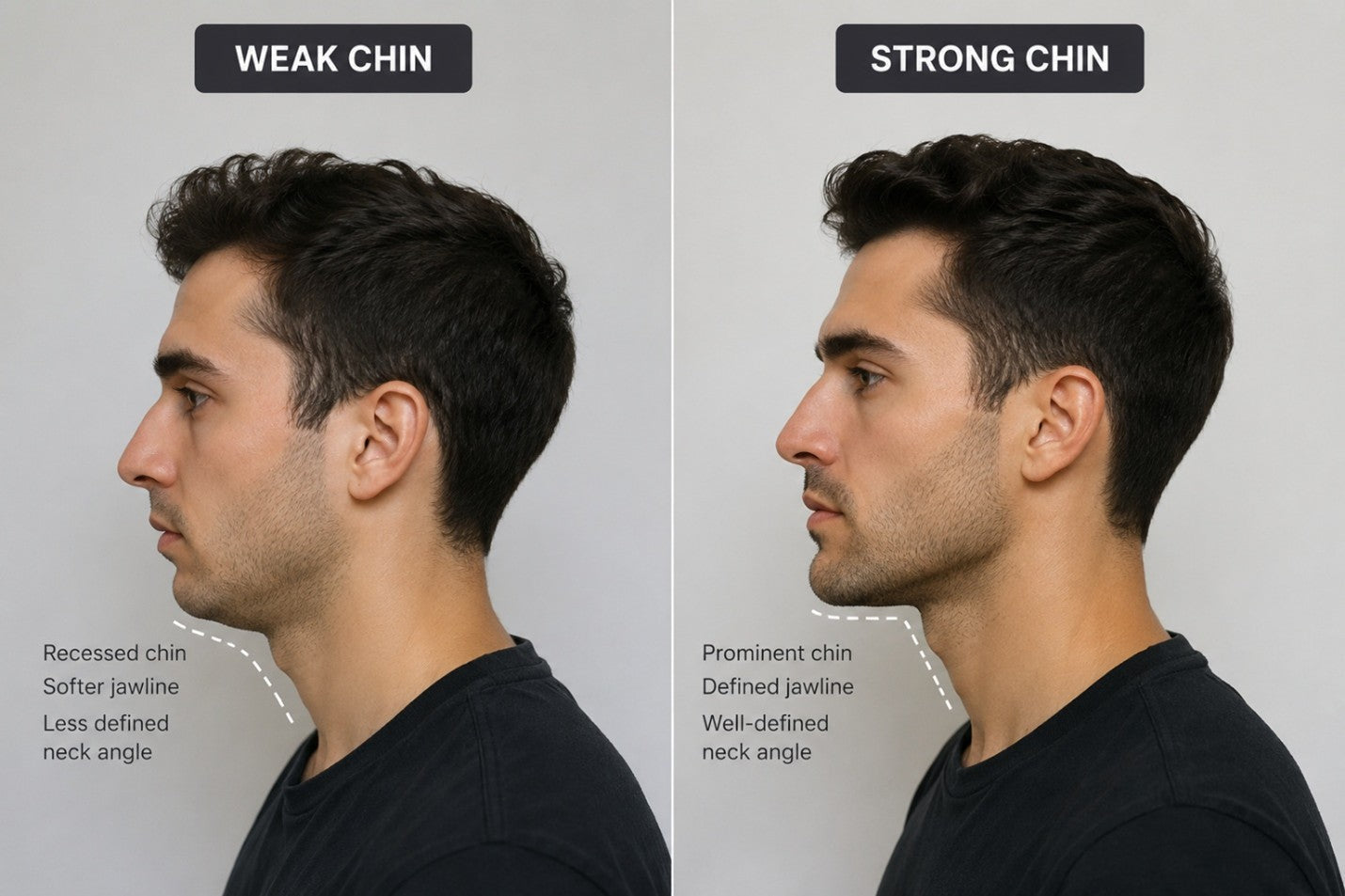
A weak chin can change the way your whole face looks, even when the rest of your features are balanced. It may make the jawline look softer, the profile feel less defined, or the face appear less structured in photos. The good news is that surgery is not the only option people consider today.
Non-surgical chin enhancement can help improve shape, balance, and definition with less downtime than an operation. Still, not every treatment, exercise, or trend gives safe or realistic results. This blog explains what may help and what to be careful with.
A weak chin or mandibular retrognathia is usually more than a “small chin” issue. It often means the lower jaw sits a bit farther back than the upper jaw, which can affect how your chin, jawline, and neck work together. According to the Cleveland Clinic, it also affects bite fit, chewing, swallowing, mouth breathing, snoring, lip closure, jaw comfort, or speech.
Visually, this can make the chin-neck area look softer, and the lower face feel less defined from the side. Functionally, it may change how your mouth rests during the day and night, especially if your lips, tongue, or bite are working harder to find a comfortable position. That is why a smart, non-surgical plan should consider both appearance and daily function.
Posture can change how the chin and jawline look. When the head sits too far forward, the chin may appear smaller, the neck may look less defined, and the jawline may look softer. This is why a forward head posture fix can be useful for people who feel their profile looks weak or collapsed.
Forward head posture can also place extra strain on the muscles under the chin and around the jaw joint, which may contribute to jaw fatigue, popping, headaches, and neck discomfort. Mayo Clinic notes that forward head posture can overwork the temporomandibular joint and strain muscles under the chin.
To fix forward head posture, start with simple habits. Keep your phone closer to eye level. Raise your laptop or monitor. Sit with your ears stacked over your shoulders instead of letting your head drift forward. These changes do not move the chin bone, but they can make the lower face look more aligned.
Chin tucks can help retrain head position. This exercise is not about forcing the chin down. Instead, gently slide your head backward, almost like making a small double chin. Hold for a few seconds, then relax. The goal is to bring the head back over the shoulders.
When done consistently, chin tucks may support better neck alignment and reduce the forward head posture that can make a weak chin look more noticeable. Start slowly and avoid pushing too hard. If you feel pain, dizziness, or jaw pressure, stop and speak with a professional.
A weak chin can appear worse when the shoulders round forward. The head often follows the shoulders, creating forward head posture and a softer-looking profile. Strengthening the upper back can help support better alignment.
Simple exercises like shoulder blade squeezes, wall angels, and rows can help. These movements train the upper back to hold the shoulders in a better position. Over time, this can make the neck look longer and the chin look less tucked back.
Products such as MyoEdge CoreCorrect™ may help support posture awareness during training. It can remind users to pay attention to alignment, but it should not be treated as a quick fix. Posture tools work best when paired with strengthening, stretching, and better daily habits.
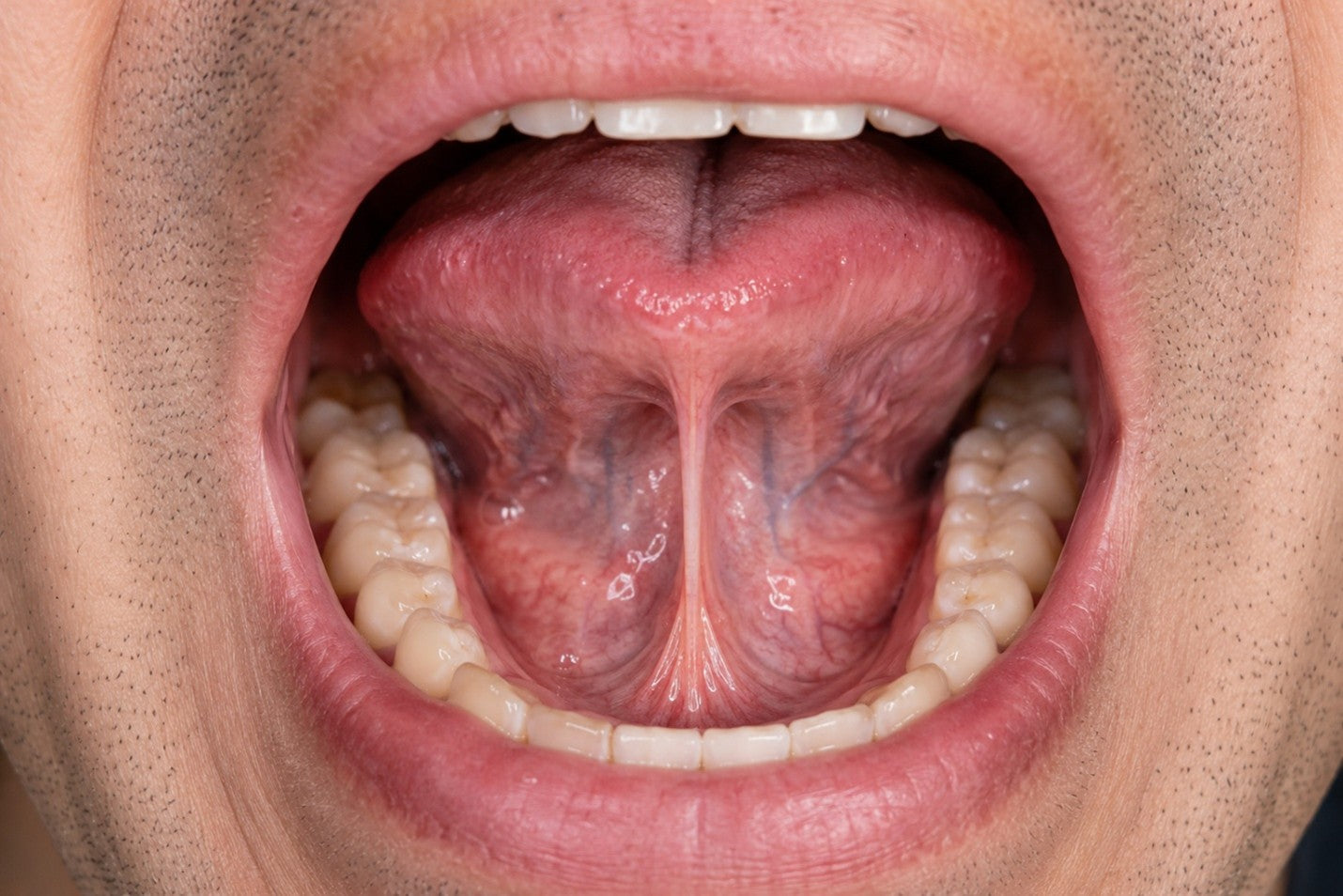
Tongue position can affect how the mouth and jaw rest. Ideally, the tongue should rest gently against the roof of the mouth, the lips should close comfortably, and breathing should happen through the nose when possible. Poor tongue posture will not instantly create or fix a weak chin, but it may affect oral function and facial resting posture.
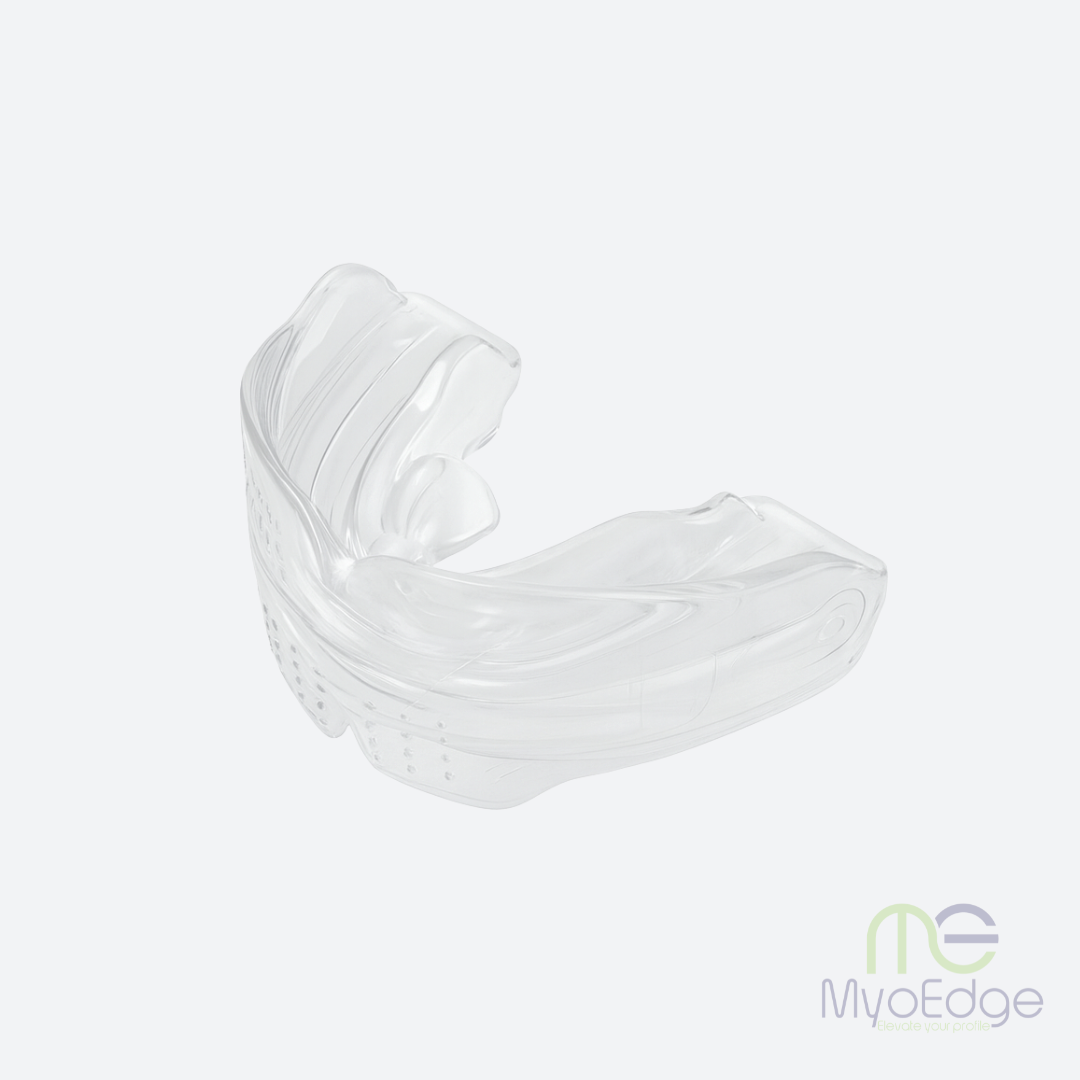
The MyoEdge Tongue Positioner may help some people become more aware of where the tongue should rest. This can be useful for people working on oral posture, mouth habits, or myofunctional training. It should be used carefully, especially if someone has a tongue tie, jaw pain, bite problems, or breathing concerns.
Tongue posture is not magic. Adults should not expect dramatic bone changes from tongue placement alone. However, better tongue awareness may support a cleaner resting posture and help the lower face look more balanced.
For people with a mild to moderate weak chin caused by a lack of projection, chin filler may be one of the most direct non-surgical options. A trained injector can place dermal filler to add shape, balance, and projection to the chin. Cleveland Clinic explains that jawline filler can add definition and shape, but the results are temporary.
Chin filler can help improve the side profile and create a smoother transition from the chin to the jawline. It may also help the face look more balanced without surgery. However, it is not right for everyone. If the chin is severely recessed or linked to a bite or jaw issue, filler may not be enough.
Always choose a qualified, experienced provider. Filler is a medical treatment, not a beauty shortcut.
Exercises can improve posture, muscle awareness, and neck position, but they cannot move the chin bone forward. If a weak chin is caused by facial structure, exercises alone will not create a major change.
This is where many people get frustrated. They expect jaw exercises or posture drills to create the same result as filler, orthodontics, or surgery. It is better to see exercises as support for alignment and function, not as a way to rebuild the chin.
Hard chewing tools, extreme jaw exercises, and constant clenching can create more harm than good. They may strain the jaw joint and increase tension in the face, neck, and temples. If someone already has TMJ pain, clicking, headaches, or jaw tightness, aggressive jaw training can make symptoms worse.
A stronger-looking jawline should not come at the cost of jaw health. Gentle, guided work is safer than forcing the muscles to work hard every day.
Never attempt filler at home, and do not choose a provider based only on price. Dermal fillers can carry risks, and the American Society of Plastic Surgeons notes that patients should understand the risks and possible complications before treatment.
Poor filler placement can cause lumps, uneven results, swelling, infection, or more serious complications. The chin and jawline require skill because the goal is balance, not simply adding volume.
More chin projection is not always better. Too much filler can make the face look heavy, long, or unnatural. A weak chin should be corrected with facial balance in mind. The best result should fit the person’s nose, lips, jaw, and overall profile.
Subtle improvement often looks better than dramatic change. A good provider will explain what is realistic and avoid pushing the face out of proportion.
A weak chin can sometimes be connected to bite problems, jaw development, airway issues, or oral function. If you have trouble chewing, breathing through the nose, sleeping well, swallowing, or keeping the lips closed comfortably, do not treat the issue as only cosmetic.
In these cases, the best first step is evaluation. Treating only the appearance may miss the real reason the lower face looks or feels unbalanced.
Fixing the look of a weak chin without surgery usually takes a thoughtful plan. Posture work takes time. Tongue posture training takes consistency. Filler requires a skilled provider and realistic expectations. Jawline improvement often comes from combining several small steps rather than relying on one trick.
The safest path is to understand the cause first, then choose the option that fits your needs. A weak chin can often be improved without surgery, but the best results come from patience, proper guidance, and avoiding shortcuts that can create bigger problems later.
A weak chin is not always only about appearance. It can affect facial balance, posture, bite comfort, breathing habits, and daily oral function. Non-surgical options can help, but the right approach depends on the cause. Posture work, chin tucks, upper back strengthening, tongue position training, tools like MyoEdge CoreCorrect™ and MyoEdge Tongue
Positioner, and carefully placed filler may all play a role. The key is to avoid quick fixes and unsafe shortcuts. For the best results, start with a proper evaluation, understand what your chin and jaw need, and choose a plan that supports both function and appearance.
Ready to support your jawline, posture, and facial balance naturally? Explore MyoEdge for non-invasive daily wellness tools.
Can you improve a weak chin without surgery?
Yes. Depending on the cause, body alignment correction, changes in oral habits, targeted jaw exercises, facial muscle toning, neck mobility support, nasal breathing support, chin filler, and expert evaluation may help.
How can you fix forward head posture to improve your profile?
You can fix forward head posture with screen-height changes, movement breaks, gentle chin tucks, upper-back mobility, and expert guidance when needed.
Can facial yoga fix a weak chin?
Facial yoga may support muscle tone and the appearance of the lower face, but it should not be treated as a guaranteed way to change chin bone structure.
Can oral habits affect a weak chin?
Yes. Tongue posture, lip seal, mouth resting position, and breathing habits may influence how the lower face rests and functions during the day and night.
What should you avoid when improving a weak chin?
Avoid DIY fillers, painful jaw workouts, forced neck stretching, hard tongue pressing, mouth taping with blocked breathing, and any routine promising overnight structural change.