Cart
0
You may also like




For many adults, tongue tie is something they only hear about in babies, not something they expect to think about later in life. But the way the tongue moves can affect everyday comfort, oral function, and even how well certain treatments work. Because it is often overlooked, many adults do not know when it is worth asking a professional for a closer look.
This blog explains common adult tongue tie symptoms, why they can affect comfort and function, and when an evaluation by a trained provider may help you understand what is really going on.
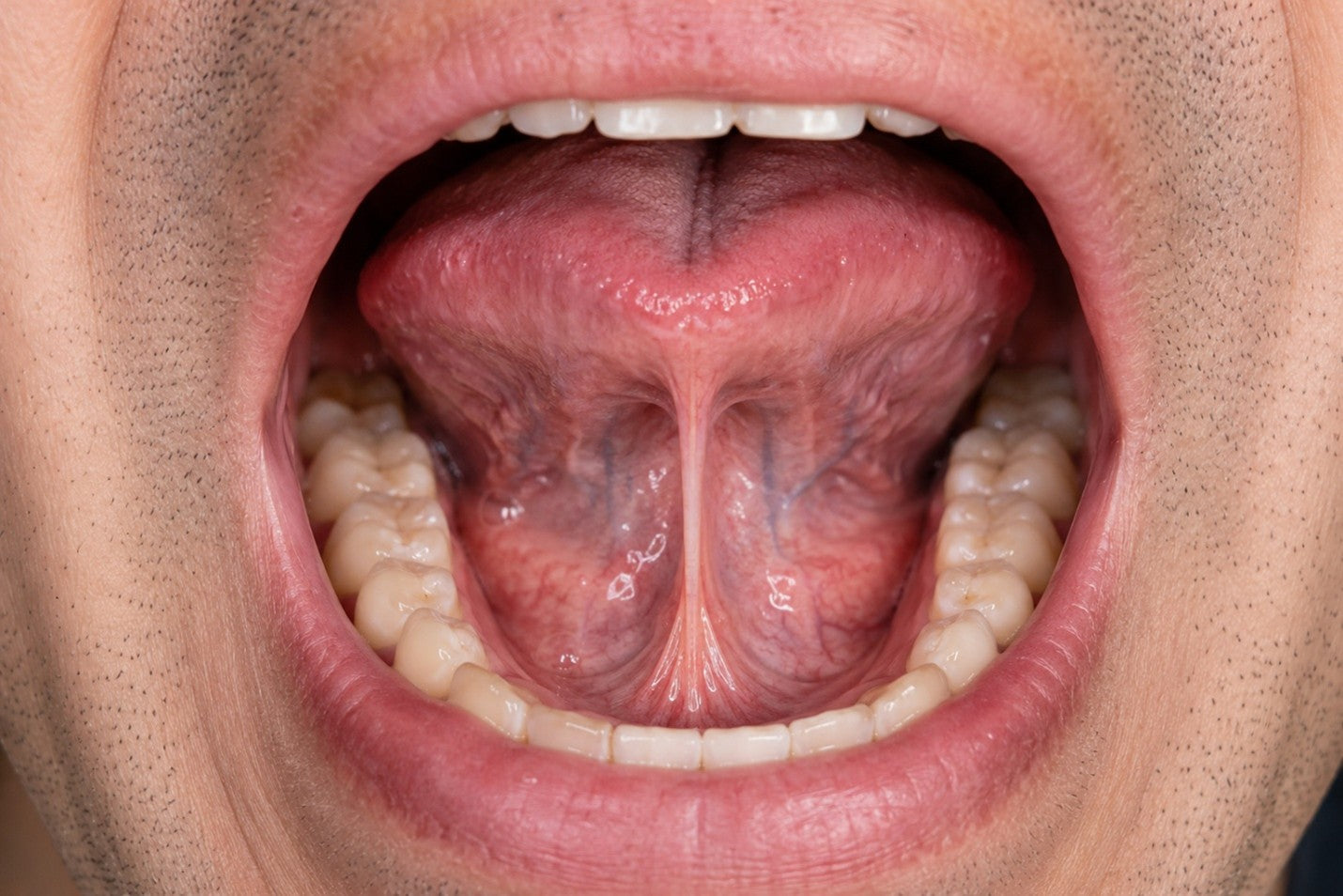
Tongue-tie, also called ankyloglossia, happens when a short, tight, or thick lingual frenulum restricts tongue movement.
Limited tongue elevation is a clinical sign in which the tongue cannot lift comfortably toward the upper teeth or the roof of the mouth. During an exam, a provider may ask the patient to raise the tongue while keeping the jaw steady.
This finding matters because tongue elevation supports speech, swallowing, oral posture, and food control. In adult tongue tie, reduced lift is most meaningful when it appears with functional difficulty, not just a visible frenulum. Everyone has tissue under the tongue, so the key question is whether that tissue restricts movement enough to affect daily oral function.
Reduced lateral mobility means the tongue has difficulty moving from side to side inside the mouth. A clinician may test this by asking the patient to move the tongue toward each cheek, mouth corner, or back teeth.
This movement supports chewing, food clearing, and some speech patterns. Providers may also watch for jaw shifting, head movement, or facial tension used to “help” the tongue move. Those compensation patterns can mask the real restriction at a quick glance. A careful exam checks whether the tongue itself moves freely, not whether the jaw can create the appearance of motion.
Restricted tongue extension means the tongue cannot comfortably move past the lower front teeth or lower lip. Clinically, this may appear as a short protrusion, a tendency to pull under the tongue, or visible tension in the floor of the mouth.
For adults with adult tongue tie, limited extension may be one part of a larger mobility pattern. Still, extension alone should not be treated as a diagnosis. A provider should connect the finding with speech, chewing, swallowing, hygiene, or comfort concerns. That balanced approach prevents overcalling a normal frenulum while still taking true restriction seriously.
A notched or heart-shaped tongue is a clinical sign seen when the tongue is extended, and the center of the tip pulls downward. This shape can appear because the frenulum restricts the tongue’s forward movement.
Even so, tongue shape should be interpreted carefully. Some adults may have a noticeable notch without major functional trouble, while others may have meaningful restriction with less obvious appearance. A trustworthy evaluation does not rely on a single visual cue. It combines appearance, range of motion, oral function, and the patient’s history to decide whether tongue-tie is clinically relevant.
Knowing when to get evaluated is less about one isolated symptom and more about patterns. Let’s take a look at situations where you need medical assistance.
In adult tongue-tie, talking feels tiring when speech takes more effort than it should, especially during calls, meetings, presentations, or fast-paced conversations. You may still sound clear, but your tongue feels like it is working overtime.
This is a reason to get evaluated when it happens often, affects confidence, or does not improve with normal rest. Tongue-tie can interfere with certain sounds, but not every speech issue comes from restriction. A speech-language pathologist, dentist, or ENT can check whether tongue mobility is part of the problem and whether other causes should be considered.
Meals need workarounds when eating requires extra water, slower chewing, texture avoidance, or extra effort to move food around the mouth. You may finish meals later than others or feel food sitting in the cheeks.
These signs are worth evaluating when they become routine. Health education workshops can help adults notice oral function patterns earlier, but personal symptoms still require direct clinical review. A trained provider can check whether the issue relates to tongue mobility, dental structure, reflux, muscle coordination, or another cause. The right exam can turn confusing meal habits into a practical plan.
Cleaning feels difficult when food debris is hard to remove from teeth, gums, or cheeks, even with careful brushing. You may feel like certain areas stay messy after meals or need repeated rinsing.
This is a practical reason to seek evaluation because oral cleaning affects long-term dental health. Community awareness efforts, including nonprofit fundraising events, may improve access to oral health education, but persistent hygiene issues should be addressed directly.
A dentist or oral health provider can review tongue reach, plaque patterns, gum health, and cleaning barriers before deciding whether tongue restriction is a factor.
Tension keeps returning when jaw tightness, facial fatigue, temple pressure, or neck stiffness show up again and again, especially after speaking, chewing, or sleeping. For you, it may feel like your mouth and neck are working harder than usual, even on a normal day.
This should not be automatically blamed on tongue-tie. A recent adult observational study found associations among ankyloglossia, jaw-function limitations, and reduced cervical mobility, but did not establish a direct cause. When tension repeats, a provider should review tongue mobility along with bite, posture, airway, sleep quality, stress, and muscle function.
Problems with nasal breathing often keep your lips apart at rest, wake with dry mouth, or notice mouth breathing at night. These signs do not confirm tongue-tie, but they may point to oral posture patterns worth reviewing.
A provider may assess tongue resting position, nasal airflow, lip seal, palate shape, tonsils, and sleep history. Tongue restriction should not be blamed for snoring or sleep problems on its own, but it can be discussed as part of a broader oral-function exam. When nighttime mouth breathing repeats, the safest next step is an airway-focused evaluation.
Adult tongue tie is best understood in terms of function. Clinical symptoms include what a provider can observe, such as limited lift, reduced side-to-side motion, restricted extension, changes in tongue shape, and oral hygiene findings. Evaluation signs include what you experience in daily life, such as tiring speech, meal workarounds, cleaning difficulty, returning tension, or breathing issues.
The safest next step is not guessing.
Track what happens, notice patterns, and seek a qualified evaluation that considers the whole mouth, not just one band of tissue.
Ready to support better oral habits between professional visits? Explore MyoEdge for simple, routine-friendly oral wellness tools.
What clinical signs suggest adult tongue-tie?
Clinical signs may include limited tongue lift, reduced side-to-side motion, restricted extension, a notched tongue, or difficulty with oral hygiene.
Can tongue-tie cause sleep apnea?
Mayo Clinic Health System says tongue-tie does not cause sleep apnea or snoring, so sleep concerns need broader medical evaluation.
Who can evaluate adult tongue-tie?
An ENT, dentist, oral surgeon, speech-language pathologist, or myofunctional therapist may be involved, depending on symptoms.
Does every tongue-tie need treatment?
No. Treatment depends on symptoms, function, and clinical findings. Some adults may need monitoring, therapy, dental care, or referral before any procedure.
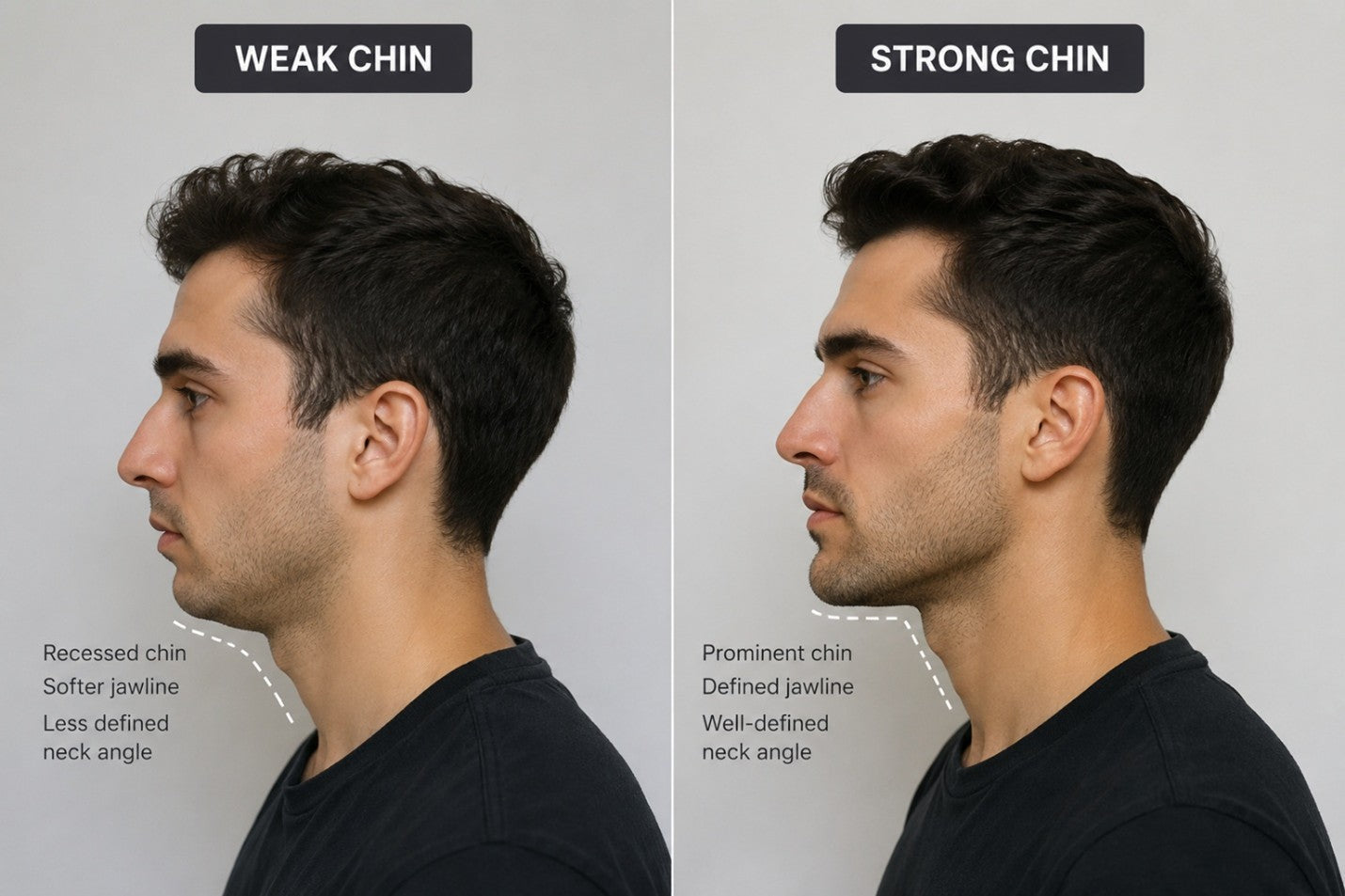
How to improve jawline naturally?
Tongue-tie can affect tongue posture, so improving jawline naturally may include posture work, healthy habits, and guided jawline exercises to support balanced facial and neck muscle function.