Cart
0
You may also like




Waking up with a dry mouth, sore throat, headache, or heavy, foggy feeling can often point to one simple issue: you were not breathing comfortably through your nose during the night. Healthy nasal breathing supports better sleep, hydration, recovery, and morning energy, but it is hard to maintain when allergies, dry air, congestion, or poor sleep posture get in the way.
The good news is that improving nasal breathing at night does not have to feel miserable. Small, realistic changes can help open your airways, reduce irritation, and make bedtime feel easier without turning your routine into a complicated project.
One of the least miserable but most effective strategies is improving the air you sleep in. Dry air can irritate nasal tissues and thicken mucus, making breathing feel harder. On the other hand, overly humid rooms may encourage mold and dust mites. Finding balance matters.
A moderate humidity level often feels best for people struggling with nighttime stuffiness.
Clean bedding regularly, especially pillowcases, since your face and nose remain close to them for hours every night. Strong scents can quietly worsen congestion, too. Scented candles, fabric sprays, and heavy cleaning products may irritate sensitive airways more than people realize.
If you wake up congested every morning but feel better elsewhere, your bedroom environment may be contributing more than your nose itself.
Saline rinses can help clear mucus, allergens, and irritants without the rebound effects linked to overusing medicated nasal decongestant sprays.
The key is keeping the process gentle and consistent rather than aggressive. A saline rinse before bed may help calm irritated nasal passages and improve nasal breathing naturally.
Some people make the mistake of repeatedly using strong decongestant sprays for quick relief. While those sprays can help in the short term, overuse may worsen congestion over time.
Gentle saline support is often easier to maintain and less irritating for nightly use.
Your sleep posture directly affects nasal breathing. Sleeping completely flat may worsen congestion for some people because it allows more fluid to pool around the nasal tissues.
Slight head elevation can sometimes improve comfort without requiring a major change.
Side sleeping may also feel easier than back sleeping for people prone to snoring or airway restriction. Back sleeping can increase mouth breathing tendencies in some cases.
This is where overall alignment matters too. If rounded shoulders, neck strain, or slouched posture carry into bedtime, a posture corrector or posture brace during daytime routines may help improve body awareness before sleep. These tools do not directly open the nose, but better posture support during the day can reduce tension that affects how comfortably you rest at night.
The goal is not forcing yourself into a perfect position. It is about noticing which positions naturally support easier breathing.
Comfort still matters because discomfort itself can disrupt sleep quality.
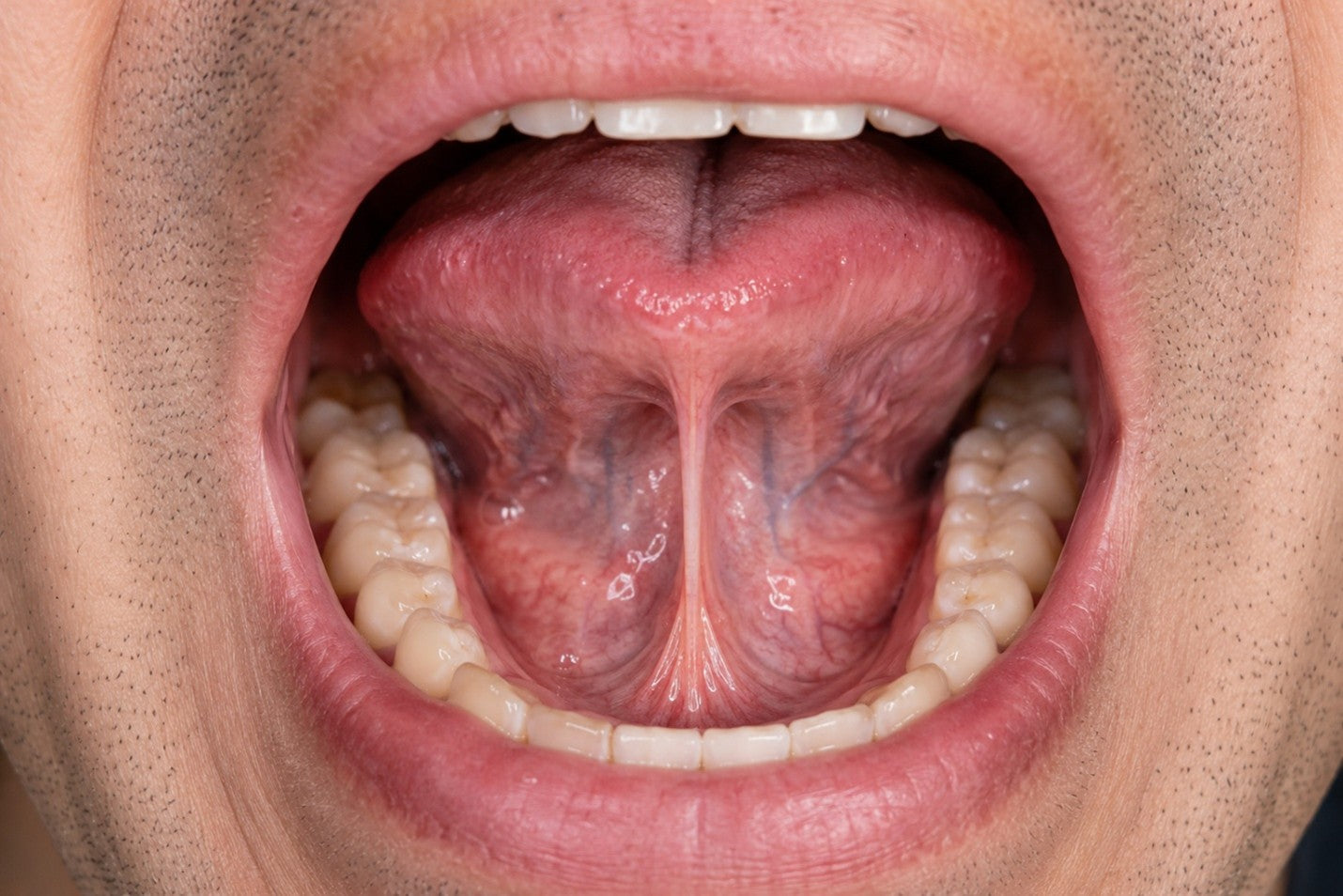
Tongue posture can also influence how comfortable nighttime breathing feels. Ideally, the tongue should rest gently against the roof of the mouth, not low in the mouth or pushed forward. This position may help encourage closed-mouth breathing and better oral posture during rest.
That does not mean you should force the tongue into an uncomfortable position. Instead, think of tongue posture as another small habit that supports better breathing awareness over time.
If you constantly wake with your mouth open, drool, dry mouth, or jaw tension, it may be worth paying attention to how your tongue and jaw rest during the day and at night.
When the body becomes dehydrated, mucus can become thicker and stickier, making nasal breathing feel restricted. This does not mean drinking excessive water immediately before bed. Overdoing fluids late at night may simply interrupt sleep with bathroom trips.
Instead, focus on steady hydration throughout the day. Warm fluids in the evening may also feel soothing for irritated nasal passages, especially during allergy season or dry weather.
Alcohol deserves attention, too. Many people notice worse snoring and congestion after drinking because alcohol can increase airway relaxation and inflammation.
Nighttime allergies often build gradually rather than appearing suddenly. If pollen, dust, or pet dander contribute to congestion, reducing exposure before sleep may help significantly. Showering before bed during high-pollen seasons can remove allergens from hair and skin. Washing bedding consistently also reduces buildup over time.
Some people benefit from allergy-focused pillow covers or keeping pets out of the bedroom if symptoms are severe. Managing nighttime congestion works best when you reduce triggers proactively instead of waiting until your nose is completely blocked.
Social media is full of extreme nasal breathing advice, from uncomfortable devices to routines that promise instant results.
Some people may benefit from carefully used nasal strips or mild airway support products when they can already breathe comfortably through the nose. However, any method that feels stressful, restrictive, or unsafe should not become part of your bedtime routine.
The same applies to tools or routines that promise to fix tongue posture overnight. Real improvement usually comes from small, consistent habits rather than quick fixes.
Simple solutions tend to work better because people can actually continue using them comfortably.
Occasional stuffiness is common. Constant nighttime blockage is different. Persistent symptoms may relate to allergies, chronic sinus inflammation, a deviated septum, enlarged turbinates, nasal polyps, or sleep-disordered breathing conditions. Loud snoring, choking sensations during sleep, frequent waking, or ongoing exhaustion deserve medical attention.
Children who chronically mouth breathe at night should also be evaluated rather than dismissed as just congested.
The purpose of improving nasal breathing is not only comfort. Better airflow can support better sleep quality, energy, recovery, and daily functioning.
Better nasal breathing at night does not have to mean forcing uncomfortable routines or trying every sleep hack online. Most people do better with simple changes they can actually maintain, like improving bedroom air, using gentle nasal care, adjusting sleep position, staying hydrated, and paying attention to breathing habits before bed.
If stuffiness keeps getting in the way, listen to your body and choose support that feels realistic, comfortable, and easy to use.
Need help building a better nighttime routine? Explore Myo Edge for breathing and wellness support products, including snoring tape, posture support tools, and daily comfort solutions designed to help you rest easier. Explore and shop now.
Is mouth breathing at night always bad?
Occasional mouth breathing during illness or temporary congestion is common. Chronic mouth breathing, however, may contribute to dry mouth, poor sleep quality, snoring, and throat irritation.
Do nasal strips actually work?
For some people, yes. Nasal strips may help gently open the nasal passages externally, especially if mild narrowing contributes to airflow issues. They are not a cure for deeper structural or inflammatory problems.
Why does one nostril feel more blocked at night?
The body naturally alternates airflow dominance between nostrils through something called the nasal cycle. This can become more noticeable when lying down or during congestion.
Can dehydration make nighttime congestion worse?
Yes. Dehydration may thicken mucus and irritate nasal tissues, making airflow feel more restricted.
Should I sleep with a humidifier every night?
Not necessarily. Some people benefit from added humidity, especially in dry climates or air-conditioned rooms. However, excessive humidity may worsen mold or dust mite problems if not monitored properly.
When should I see a doctor about nighttime congestion?
Seek medical evaluation if congestion becomes chronic, interferes with sleep, causes significant snoring, includes frequent sinus infections, or leads to ongoing fatigue and poor daytime function.