Cart
0
You may also like



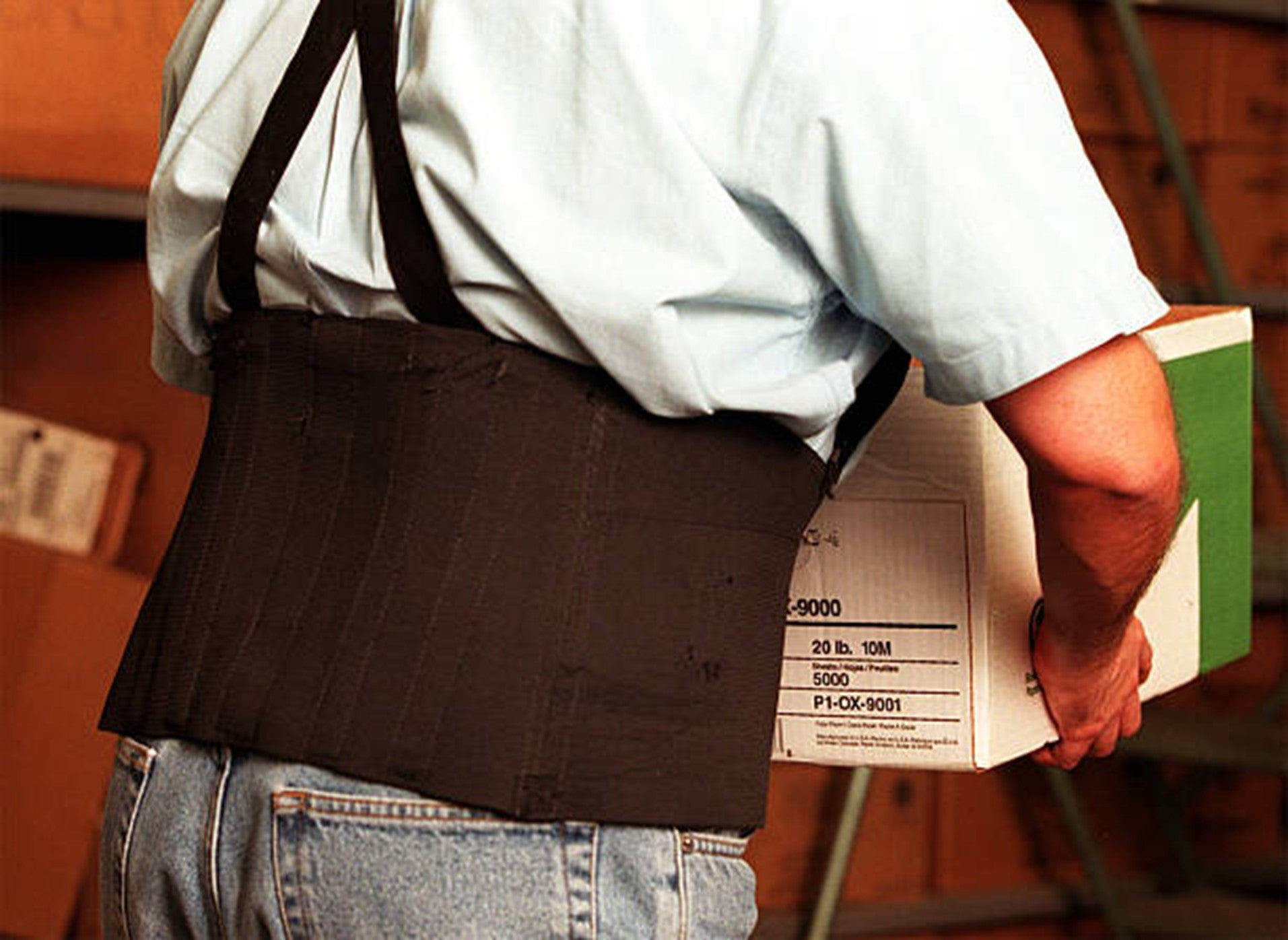
Working at a desk all day sounds easy until your neck starts to feel heavy and your back tightens up by noon. Most people try to “sit straight,” but that often results in stiffness rather than real support. The goal is not to force posture. It is to align your body in a way that feels natural and sustainable. That is where a neutral spine comes in. When you pair the right setup with a posture support brace, you can finally stop fighting your posture and start training it the right way.
Here are a few clean options you can use:
A neutral spine means your body is in its natural alignment, not overly straight and not slouched. Your spine has natural curves:
When these curves are maintained, your body distributes pressure evenly. This reduces strain, improves comfort, and allows you to sit and work for longer without tension.
Most posture issues do not stem from a single major mistake. They build over time through small daily habits that often go unnoticed.
These are the most common ones to watch for:
Getting into a neutral spine position is not complicated, but it does require a step-by-step approach. We always suggest setting your body first, then using the posture corrector to support that position.
Start with your base. Your feet should rest flat on the floor, with your knees at or slightly below hip level. This creates a stable foundation.
Sit all the way back in your chair. Let your lower back maintain its natural curve rather than flattening it against the seat.
Think of your body as a stack. Your hips, ribs, and shoulders should line up vertically. This reduces unnecessary pressure on any one area.
Step 4: Reset Your Shoulder Position
Bring your shoulders slightly back, but keep them relaxed. You should not feel tension in your neck or upper back.
Your head should sit directly above your shoulders, not in front of them. A small chin tuck can help bring it into place.
Before adding support, fix your environment. Here is what to check:
These small changes prevent your body from drifting out of alignment.
Once your body is set, this is where the brace comes in. We design our posture support brace to guide, not force, your alignment.
Here is how to use it the right way:
Timing matters more than duration. Instead of wearing it all day, use it when you need support the most.
This approach helps your body learn rather than depend.
Fixing posture is not about one tool or one quick fix. It works best when you follow a simple daily routine that supports your body throughout the day.
Follow this practice:
Good posture is something you build over time, not something you force in a single day. The real shift happens when your setup, daily habits, and awareness all work together. A posture support brace can help guide that process, especially during long hours at the desk when it is easy to slip back into old habits. Take a moment to check your sitting position right now and see what needs adjusting. You can browse our website for practical solutions.
1. How long should I wear a posture support brace each day?
We recommend starting with 20-30 minutes at a time. This allows your body to get used to the support without relying on it too much. As your awareness improves, you can adjust how often you use it during the day.
2. Can a posture brace permanently improve my posture?
A brace helps guide your body into better alignment, but lasting results come from consistency. When combined with proper setup, movement, and muscle strength, it supports long-term improvement.
3. How do I know if I am sitting in a neutral spine position?
A simple way to check is by looking at your alignment. Your ears should be over your shoulders, and your shoulders should be over your hips. You should also feel balanced, not stiff or strained.
4. Is it okay to wear a posture support brace all day?
Wearing it all day is not necessary and can reduce natural muscle engagement. It works best when used in shorter sessions to reinforce good posture habits.
5. Will a posture brace help with back and neck discomfort?
When used correctly, it can reduce strain by helping your body stay aligned. Many people notice less tension during long hours at the desk when they combine it with a proper setup.
6. What other items can support a posture support brace?
Along with a posture support brace, tools like an ergonomic chair, screen riser, and even snoring tape can help improve alignment and support better posture habits.